
🚀 Key Takeaways
Bottom line — Suseo offers direct access to regional rail transit. Central Gangnam delivers dense commercial amenities and the shortest hospital commute. The Garak Market area provides practical grocery infrastructure and quieter routines for stays lasting 1 to 6 months.
- Daily hospital treatments require minimizing commute time.
- Stays over one month make grocery access and in-unit laundry critical.
- Garak Market balances daily living costs, with Line 3 connecting directly to central Seoul.
If you’re facing weeks or months of visits to Samsung Medical Center, the short answer is this: Suseo wins on transit, central Gangnam wins on access density, and the Garak Market area wins on daily livability for a stay measured in months, not days. Which one is right for you depends on how often you’re actually going to the hospital. Let’s break down why that single variable changes everything.
Why This Is a Neighborhood Question, Not Just a Property Question
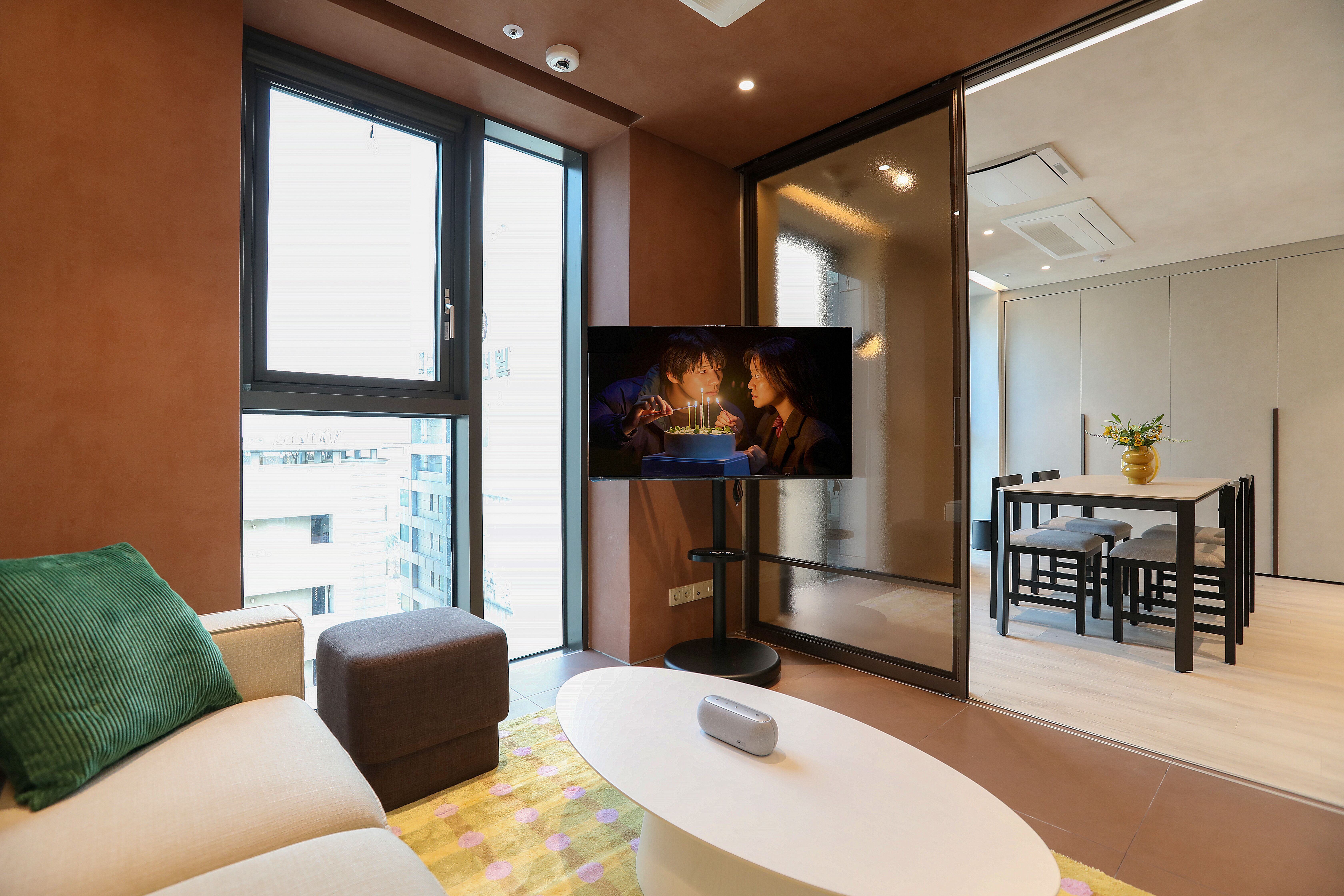
Booking a hotel for a week is a property decision — you pick a room and manage. Staying for 1 to 6 months is a neighborhood decision, because you’ll be doing groceries, laundry, and pharmacy runs in that area dozens of times, not once. A patient going through this told us the first two weeks felt fine anywhere, but by week four, the walk to a decent grocery store started to matter more than the hotel lobby ever did.
How Treatment Frequency Changes the Right Answer: Weekly Checkups vs. Daily Sessions
If you’re visiting Samsung Medical Center once or twice a week for checkups, you have flexibility — a 20-minute commute is a minor cost. If you’re going daily for infusions, radiation, or post-op monitoring, that same 20 minutes becomes a recurring tax on an already exhausting routine.
- Weekly visits: neighborhood convenience matters more than raw proximity.
- Daily visits: minimizing commute time and avoiding transfers matters most.
- Mixed schedule (frequent early on, tapering later): flexibility to reach both the hospital and downtown Gangnam matters.
What Does Each Neighborhood Actually Offer a Long-Stay Patient?
Each of the three areas solves a different problem, and none of them solves all three at once. Here’s what each one actually gives you day to day.
Suseo: Transit Hub, But What’s the Daily Living Trade-Off?
Suseo is known primarily as a transit hub — SRT, subway lines, and bus connections converge here, which makes it appealing on paper. But a transit hub isn’t necessarily a residential neighborhood, and long-stay patients often find fewer everyday amenities within a short walk than they expected. If your priority is getting in and out of Seoul quickly for periodic hospital visits, Suseo’s transit strength is real — but daily errands may mean more walking or a short ride than you’d assume.
Garak Market Area: Daily Errands and Market Access Explained

Garak Market is, first and foremost, a working wholesale market — one of the largest produce and seafood markets in the city. For a long-stay resident, that translates into daily access to fresh food, practical pricing, and a neighborhood rhythm built around actual daily life rather than tourism. It’s not a polished retail district, and it won’t feel like downtown Gangnam — but for someone cooking their own meals for months, that trade-off tends to work in their favor.
Central Gangnam: Maximum Access, Minimum Routine Convenience?
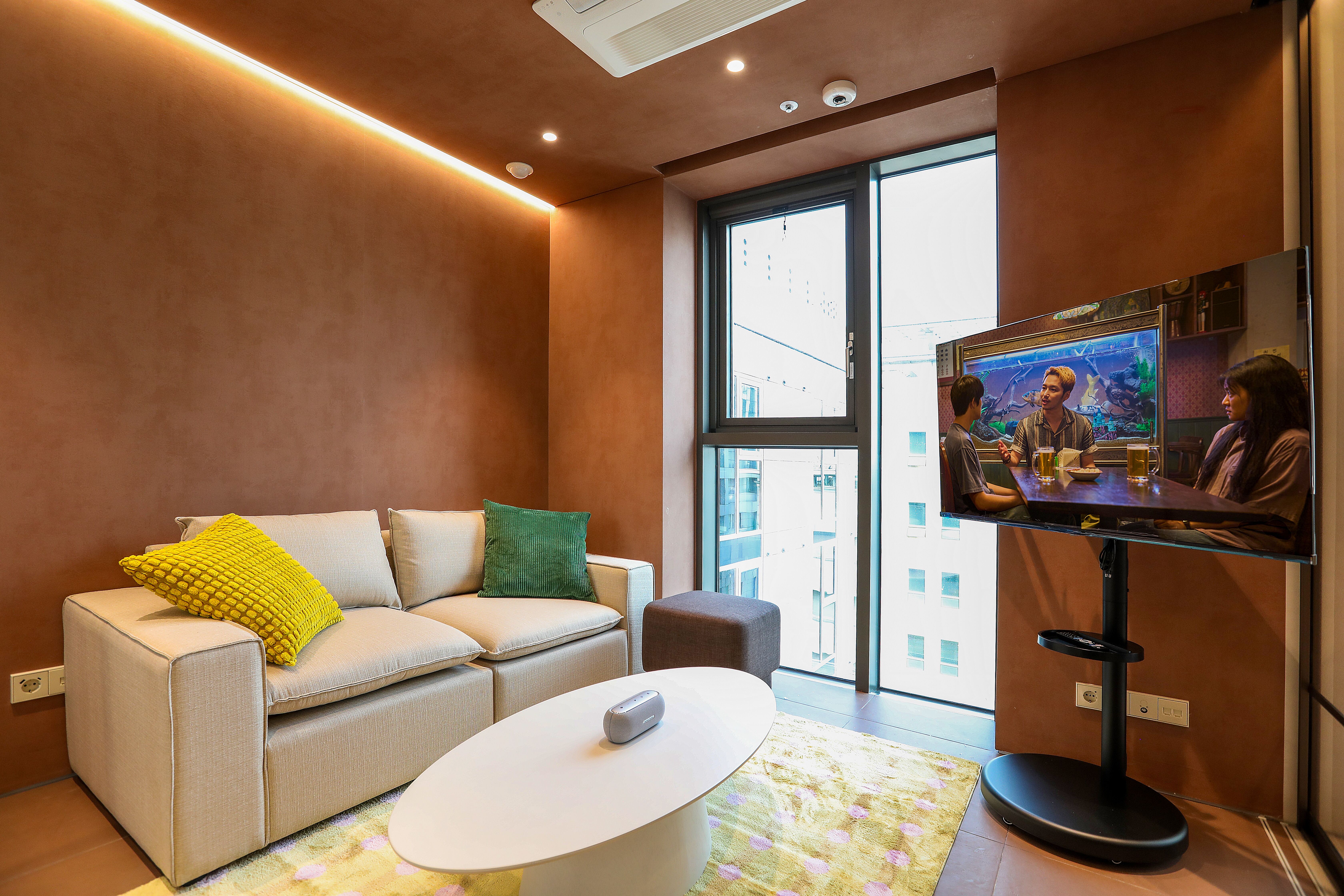
Central Gangnam gives you the densest concentration of dining, shopping, and services in the city — and often the shortest commute to Samsung Medical Center itself. What it doesn’t reliably give you is the quieter, routine-friendly infrastructure that a months-long stay depends on. Grocery shopping, laundry, and simple daily errands can be less straightforward here than the area’s overall convenience reputation suggests.
Is Hospital Proximity Alone Enough to Decide Where to Stay?
Here’s the question worth sitting with: if you’re staying for six months, is being ten minutes closer to the hospital worth living in a neighborhood that makes the other 23 hours of your day harder? For a one-week trip, proximity alone is the right metric. For a multi-month stay, it isn’t.
Why Kitchen and Laundry Access Matter More Over a 1-6 Month Stay Than Over a 1-Week Trip
Over a week, eating out every meal and using paid laundry services is manageable. Over 1 to 6 months, that same pattern adds up — in cost, in time, and in how much a small kitchen or in-unit laundry actually shapes your recovery routine. A patient managing a strict post-treatment diet, for example, needs a working kitchen far more than they need a hotel gym.
Don’t judge a long-stay base on a one-night impression — the amenities that matter on day 60 rarely show up on day 1.
Asti Cabin: 187 Residences Positioned for the Garak-Area Daily Rhythm
This is where Asti Cabin fits the picture. It operates 187 residences in the Garak Market area, built around the kind of stay where daily rhythm matters as much as hospital distance. The property is positioned specifically for Samsung Medical Center long-stay patients, under an arrangement tied to the hospital’s international patient program — which handles roughly 10,000 foreign patient cases annually, according to the hospital’s own partnership figures.
What English-Language Support Looks Like During an Extended Medical Stay
For a foreign patient managing appointments, prescriptions, and paperwork in a second language, English-language support isn’t a convenience — it’s a logistics requirement. That’s especially true during a stay long enough that you’ll inevitably need help outside of business hours at some point.
Can You Still Reach Central Gangnam Life From a Garak-Area Base?
Choosing the Garak Market area doesn’t mean giving up on Gangnam entirely — and that’s worth knowing before you assume it’s an either-or decision.
Using Line 3 to Reach Anguk and Apgujeong Without Relocating Mid-Treatment
Asti Cabin‘s location gives residents access to Line 3, which connects directly toward Anguk and Apgujeong — meaning a day trip into central Gangnam or the Anguk area doesn’t require relocating mid-treatment. You keep your daily routine anchored near the hospital while still reaching the rest of the city when you have the energy for it.
Suseo vs. Garak Market vs. Central Gangnam: A Side-by-Side Comparison for Medical Long-Stay
- Suseo: Strongest for regional/national transit; weaker for daily walkable errands.
- Garak Market area: Strongest for daily living rhythm, fresh food access, and long-stay affordability; requires a short transit hop for downtown Gangnam.
- Central Gangnam: Strongest for density of dining/shopping and shortest hospital commute; weaker for the routine infrastructure a multi-month stay depends on.
There’s no universal winner here — the right answer depends on whether you’re optimizing for the hospital commute, the daily grind, or occasional access to downtown life.
Questions Foreign Patients Ask Before Choosing a Base Near Samsung Medical Center
Is it better to stay as close to the hospital as possible?
Not necessarily — for daily treatment schedules, yes; for weekly checkups, daily livability often matters more than shaving a few minutes off the commute.
Will I need a kitchen for a multi-month stay?
Most long-stay patients find in-unit kitchen and laundry access meaningfully reduces both cost and stress compared to a week-long hotel setup.
Can I still access central Gangnam from a Garak Market-area stay?
Yes — with Line 3 access from areas like Garak Market, reaching Anguk or Apgujeong is a subway ride away, not a relocation decision.
How many foreign patients does Samsung Medical Center see?
The hospital’s international patient partnerships cover approximately 10,000 foreign patient cases per year, reflecting a well-established infrastructure for non-Korean patients.
Checklist
- ✅ Determine treatment frequency: daily sessions versus weekly checkups.
- ✅ Confirm in-unit kitchen and laundry setups for recovery diet and routine care.
- ✅ Map walking distances to pharmacies, fresh food markets, and grocery stores.
- ✅ Verify direct transit options via Line 3 or direct bus routes to Samsung Medical Center.
FAQ
Q. Is it better to stay as close to Samsung Medical Center as possible?
Proximity is critical for daily radiation or infusions. For weekly checkups, residential convenience and grocery access matter more than shaving ten minutes off transit.
Q. Why do in-unit kitchens matter for multi-month medical stays?
Extended recovery often requires strict post-treatment diets. Cooking in-unit lowers daily expenses and avoids dining out for 1 to 6 months.
Q. Can I visit central Gangnam easily while staying near Garak Market?
Yes. Line 3 runs directly from the Garak area toward Apgujeong and Anguk, allowing easy day trips without relocating.
Q. How is Asti Cabin set up for foreign medical visitors?
Asti Cabin offers 187 residences in the Garak Market area. It provides English-language support linked to the hospital’s international patient network.
Quick Comparison
| Area | Primary Strength | Hospital Commute | Daily Living Setup |
|---|---|---|---|
| Suseo | SRT and regional rail connections | Short direct ride | Fewer walkable residential grocery stores |
| Garak Market | Fresh food access and long-stay routines | Short transit trip via Line 3 and buses | High access to produce markets and practical services |
| Central Gangnam | Dense shopping, dining, and shortest drive | Shortest commute distance | Higher costs and less routine-friendly infrastructure |